
Boxing gloves is an intense sport that combines speed, strength, and strategy. Whether you are a beginner learning your first jab or a professional preparing for a fight, proper equipment is crucial for performance and safety. Among all the gear a boxer uses, gloves are the most important, and getting the right fit is critical. Ill-fitting gloves can cause discomfort, reduce effectiveness, and even lead to serious injuries.
In this blog, we’ll explore why proper fit matters, how it affects your training and performance, and tips for choosing gloves that suit your needs.
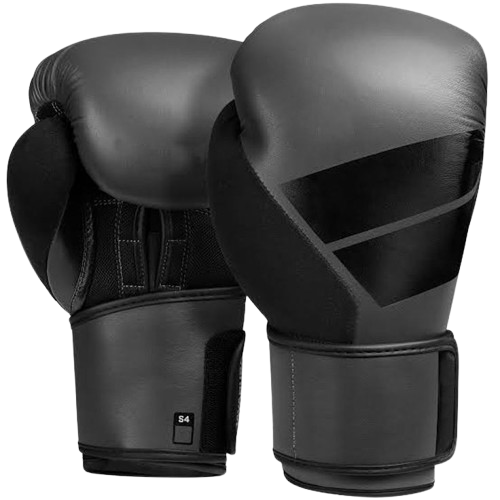
Why Proper Fit Matters
Boxing gloves are designed to protect both your hands and your opponent. They cushion the impact of punches and stabilize your wrist. If gloves are too loose, your hand can slide inside, which increases the risk of sprains or fractures. On the other hand, boxing gloves that are too tight can restrict blood flow, cause discomfort, and reduce your punching power.
A proper fit ensures that your knuckles are protected, your wrist is supported, and your hand feels secure. This not only prevents injuries but also allows you to focus on improving your technique rather than worrying about your gear.
Comfort and Performance
Comfort is a key factor when choosing boxing gloves. Gloves that fit well feel like an extension of your hand, allowing you to punch naturally and maintain proper form. When gloves are comfortable, you can train longer and with better intensity, whether you are hitting the bag, sparring, or shadow boxing.
Properly fitted gloves improve performance by stabilizing your wrist and hand, which helps generate more power with each punch. Beginners often overlook this aspect, but even small improvements in wrist alignment and hand positioning can make a big difference in training outcomes.
Injury Prevention
One of the main reasons to invest in the right gloves is injury prevention. Common boxing injuries like wrist sprains, knuckle bruising, and finger strains often result from poorly fitting gloves. Beginners are especially vulnerable because their hands are still adapting to the repeated impact of punching.
Professional boxers understand that a slight misalignment in the glove can lead to long-term issues such as chronic joint pain or ligament damage. Gloves with a secure fit reduce the risk of injury by providing proper padding and maintaining wrist stability. Pairing gloves with hand wraps further enhances protection.
Types of Boxing Gloves and Fit Considerations
Boxing gloves come in various types, including training gloves, sparring gloves, bag gloves, and competition gloves. Each type has slightly different fit requirements:
- Training Gloves: Used for general workouts, these should feel snug but not tight. There should be a small amount of movement for comfort.
- Sparring Gloves: Heavier than training gloves, they need a secure fit to protect both you and your partner.
- Bag Gloves: Designed for punching bags, these gloves prioritize impact absorption and wrist support.
- Competition Gloves: Lightweight and snug, competition gloves require precise sizing for maximum control and power.
Knowing the purpose of your gloves helps in selecting the right size and fit for your specific activity.
How to Determ/sportivax.in/for-millions-of-fans-worldwide-in-cricket-kit/ine the Right Fit with Boxing gloves
Here are some practical tips for ensuring your gloves fit correctly:
- Measure Your Hand Size: Most boxing gloves are sized in ounces (oz), which reflects weight and padding. Beginners generally use 12–14 oz gloves for training, while sparring might require 14–16 oz gloves. Measure your hand cirhttp://dribbble.com/tags/sports-websitecumference to select the correct size.
- Try Gloves On With Hand Wraps: Hand wraps add a layer of protection, so always try gloves on with wraps to check fit. Your fingers should comfortably reach the top of the glove without excessive space.
- Check the Closure System: Gloves may have Velcro straps or laces. Velcro is convenient and adjustable, while laces offer a tighter, more customized fit. Ensure the closure keeps your wrist stable without causing discomfort.
- Move Your Hands: Punch, clench, and relax your fists while wearing gloves. Properly fitted gloves should feel secure yet allow natural movement without pinching or sliding.
Tips for Beginners
Beginners often make the mistake of choosing gloves based on size alone, ignoring fit and comfort. Always prioritize how the glove feels when your hand is fully wrapped and your fingers are aligned. Avoid gloves that feel loose or overly tight—they can hamper training and increase injury risk.
Additionally, consider gloves with extra padding if you are practicing bag work, as the repeated impact can stress untrained hands. Over time, your hands will adapt, and you can gradually experiment with lighter or more specialized gloves.
Conclusion
The importance of proper fit in boxing gloves cannot be overstated. Well-fitted gloves enhance comfort, improve performance, and significantly reduce the risk of injury. Beginners should focus on snug, supportive gloves that protect their developing hands, while professionals must ensure precise alignment for optimal control and power.
Investing time in finding gloves that fit properly is a step towards better training, safer sparring, and overall improvement in boxing skills. Remember, the right glove is more than just equipment—it’s a foundation for your growth and success in the sport.